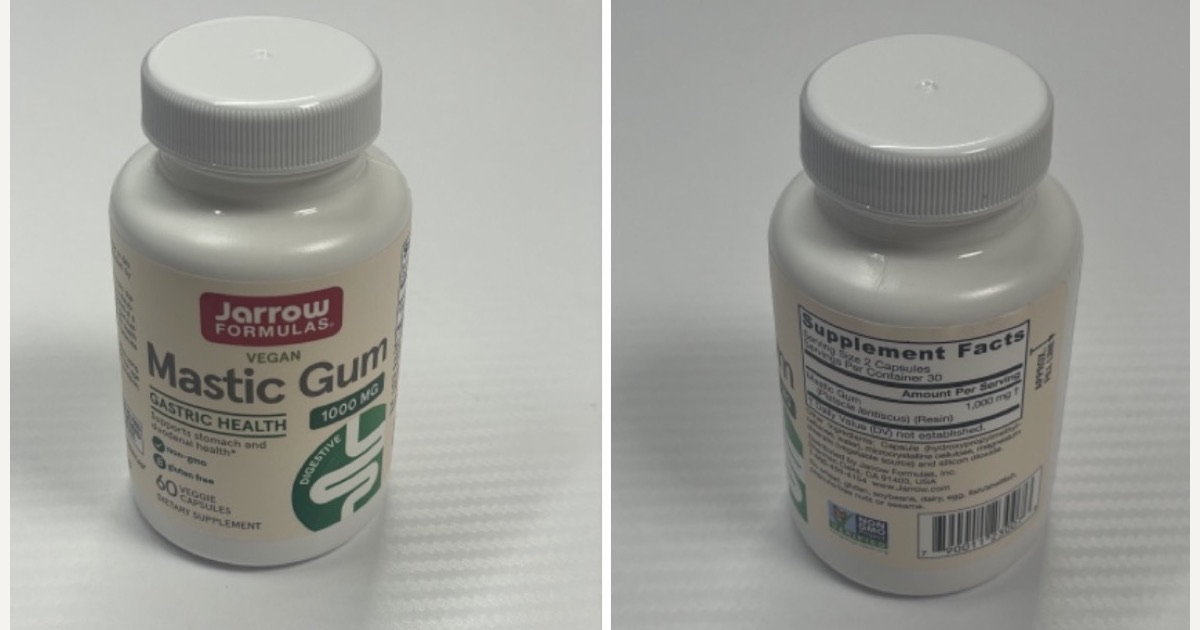
Acid Reflux Symptoms and What Helped: 3 Years, Mastic Gum
I’ve spent three years managing acid reflux, and this is the record of it — what the symptoms were, what I changed, and the supplement I settled on.
A bad round of gastritis and enteritis after COVID is where it got serious. One spoonful and my stomach felt full, which made eating itself something to get through.
The symptoms
Here’s what I dealt with.
- Indigestion. Two bites and I’d feel gassy and full, and that heavy, bloated feeling stayed for a long time after eating.
- A burning, scalding throat when I lay down after a meal. This was the worst of it. Some nights the burning woke me up.
The second one is the main sign of reflux. I had a habit of lying down right after eating, and lying flat means gravity isn’t holding stomach acid down anymore, so it travels back up the esophagus more easily. That habit was the direct cause of my symptoms.
I assumed it was a cold until it kept happening — that’s when I started looking for a way to manage it.
First attempt — cabbage extract pills
I started with cabbage extract pills, the stomach remedy sold in every pharmacy in Korea, which just about everyone with gastritis has tried at least once. They clearly did something. But the taste and the particular smell were strong enough that taking them was a chore, so I reached for them less and less.
Around then, someone recommended mastic gum to me.
What is mastic gum?
It’s a supplement made from the natural resin of the Greek mastic tree. In Greece the resin is used as an ingredient in digestive remedies. The main compounds are α-pinene and mastic acid, and they’re described as easing inflammation in the stomach lining and coating the stomach wall. So it isn’t a general digestive aid — it’s aimed specifically at reflux and gastritis.
Once I read into it, I found that cabbage and mastic gum handle different jobs.
| Main role | |
|---|---|
| Cabbage | Rebuilding the stomach lining — recovery of damaged cells |
| Mastic gum | Blocking acid — less irritation, less bloating, easier digestion |
Cabbage covers the repair of damage that’s already there; mastic gum works on reducing the irritation itself. During active gastritis, taking both complements each other.
For what it’s worth, mastic gum is also an ingredient the European Medicines Agency recognized as a traditional herbal medicine in 2015. The recognized indications are minor digestive complaints and minor inflammation of the skin. In a randomized controlled trial of 148 people with functional dyspepsia, symptom scores after three weeks were reported as significantly lower than in the placebo group.
Sources: a comprehensive review of the health effects of Chios mastic gum (Nutrients, 2022) · the functional dyspepsia randomized controlled trial (PubMed)
That said, trial results don’t automatically carry over to any one person. What follows is only my own record of taking it.
If burning and bloating are your main symptoms, mastic gum; if it feels more like a damaged stomach lining, consider cabbage alongside it. My symptoms were the first case.
The mastic stick sachets
The first thing I took was a stick-type sachet, and it definitely helped with the burning. The mint flavor was strong, so it went down easily. After two or three weeks of taking it every evening, the bloated feeling was much better.
Then I kept going and noticed the aftertaste was off. I checked the ingredient list: the sticks I’d been taking were 80% cabbage. Mastic gum is an expensive raw material, so they’d blended in a small amount, printed the name large, and sold it on that.
If you’re buying mastic gum, read the ingredient list. “MASTIC” in big type on the front says nothing about how much is actually in there. Two things to check:
- The order of the ingredients — they’re listed by weight. If mastic sits near the end, there isn’t much of it.
- The mg of mastic gum per serving — if that number is missing or hard to find, that tells you something. For reference, the one I take is 500mg per capsule.
That’s what sent me looking for the mastic ingredient properly.
What I take now — Jarrow mastic gum
I’ve been on this one for over three years.
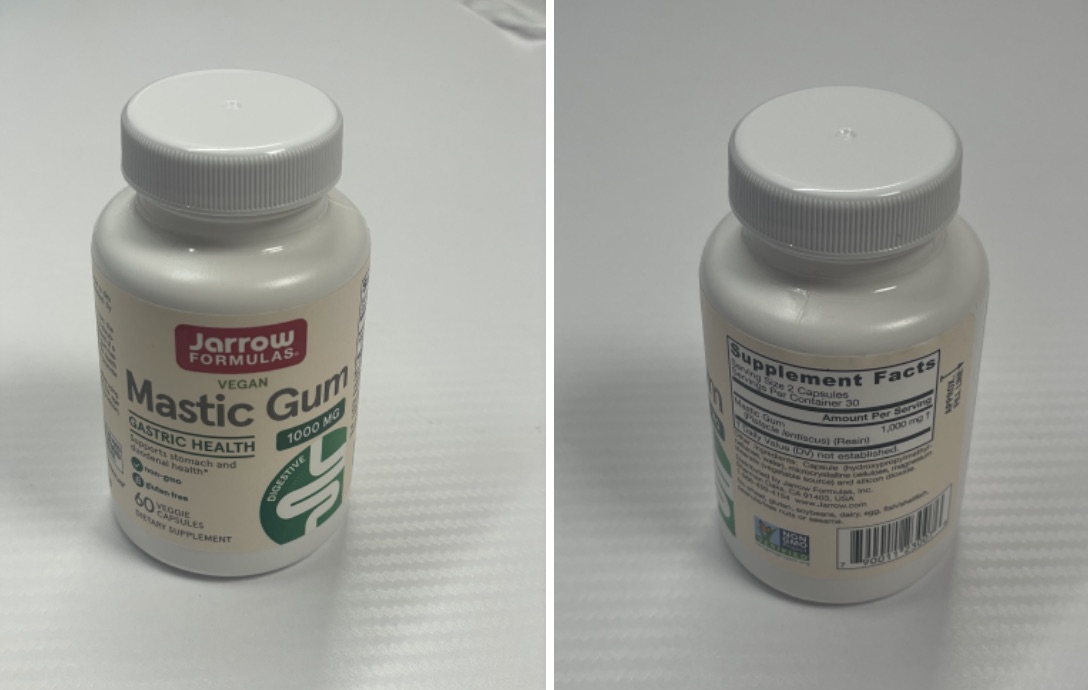
- Count: 60 capsules (500mg of mastic gum per capsule)
- Dose: the label says two a day, but I take one. I decided the other nutrients I take at breakfast, lunch and dinner cover the difference.
- Timing: first thing after waking up
Product page: Jarrow Formulas, Vegan Mastic Gum, 60 Veggie Capsules (iHerb)
One more thing: for a supplement you take daily, capsule size matters more than you’d expect. A large capsule makes swallowing it a burden in itself.
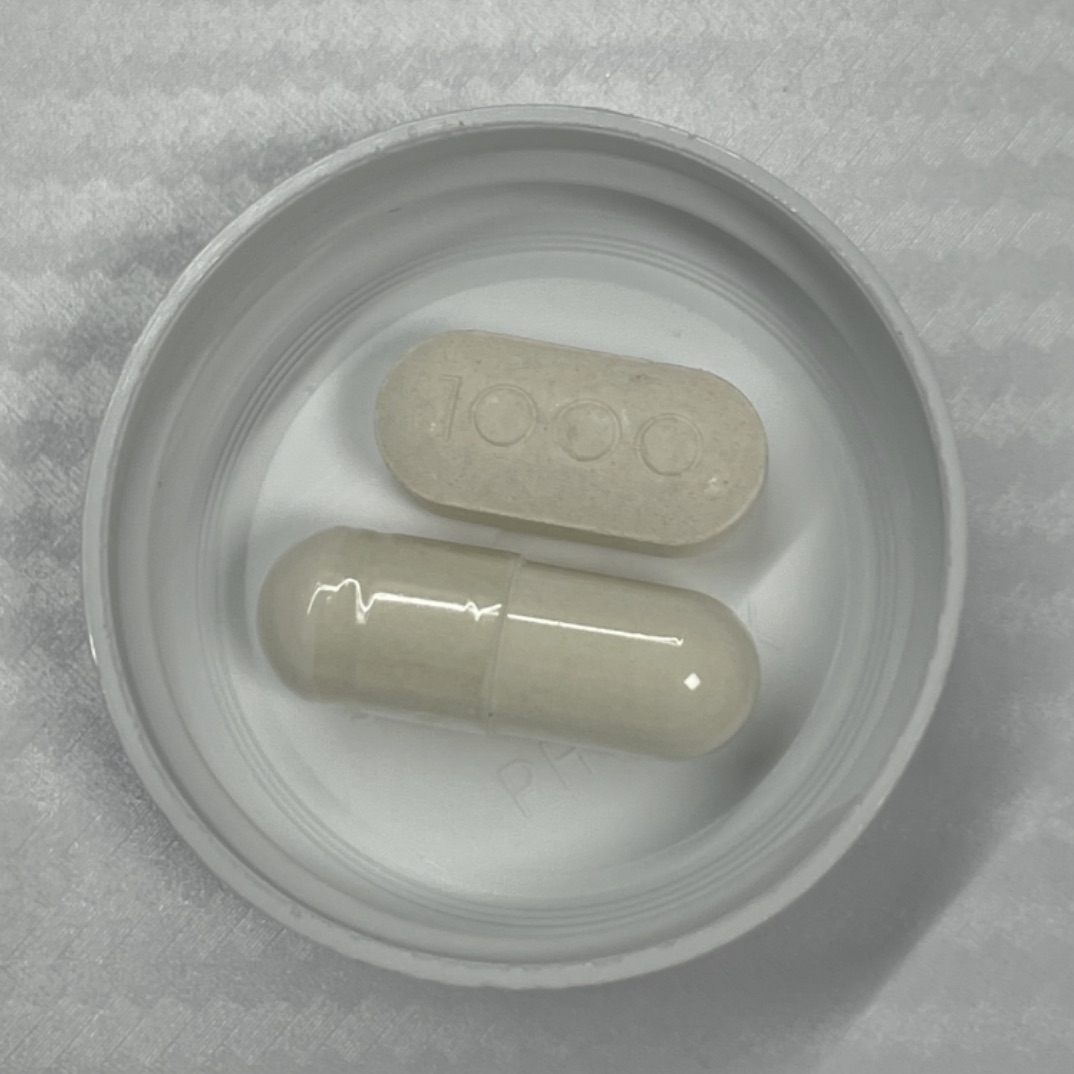
Jarrow’s mastic gum is smaller than a standard 1000mg vitamin C tablet. That’s one of the reasons I managed to take it every day for three years.
Three years in
The burning, the heaviness and the bloating are much reduced. Enough that I’ll recommend it on the spot to someone who tells me they have gastritis or reflux, and the people I’ve recommended it to have come back saying it went well for them.
One thing I want to be clear about: this is an improvement, not a cure. Taking it does not hand you a stomach that’s suddenly sturdy.
When stress is bad, the symptoms come back. Two things I do when that happens:
- Go from one capsule to two
- Cut coffee and cold water
Those two alone bring the effect back.
Before the supplement — habits
Starting with what costs nothing, because I fixed the habits first.
1. Don’t lie down right after eating — this made the biggest difference
The burning throat that woke me at night came from lying down right after a meal. Lying flat, gravity isn’t holding the acid down.
Waiting at least two or three hours after dinner before lying down cut the night wakings dramatically on its own. Even when I was tired, I’d sit up or walk around a bit first, then lie down. This was the step that worked before any supplement did.
2. No cold water, no coffee
3. Drink warm water
4. Chew thoroughly
Taking 2 through 4 together: stick to them for two weeks and there’s a difference you can feel. And they cost nothing.
So: if burning and bloating are your main symptoms, it’s worth trying at least once. Just read the ingredient list first, and don’t end up with an 80%-cabbage product the way I did.
This is a record of my own experience, not medical advice. If your symptoms persist, please see a doctor.